Pain during sex is common, but that doesn’t mean it’s something you simply have to put up with. Painful sex, also known as dyspareunia, can affect women at many different stages of life. It can occur from the very first attempt at penetration, develop after a traumatic event to the area including childbirth, appear during perimenopause or menopause, or seemingly start out of nowhere.
Unfortunately, many women are told that pain with sex is “normal”, that they should try to relax or simply give it time. As a result, far too many women live with painful intercourse for months or even years without realising that there are treatment options available and pain can often be significantly improved.
If sex hurts, your pain is always worth investigating.
What does pain during sex feel like?
Pain with sex can feel different for everyone. Understanding where the pain occurs can help identify some of the factors contributing to it.
Entrance pain
Some people experience pain primarily around the vaginal opening with initial penetration.
This might feel like:
-
Burning or stinging
-
Sharp pain
-
Tightness or a feeling that penetration ‘won’t fit’
-
A tearing sensation
-
Pain when inserting anything into the vagina, including tampons or a finger
-
Pain during gynaecological examinations or cervical screening
Entrance pain can be associated with a number of factors, including pelvic floor muscle overactivity, vulvodynia, vaginismus/genito-pelvic pain penetration disorder, vaginal dryness, skin conditions, previous trauma or increased sensitivity of the nervous system.
Deep pain
Other people experience pain deeper inside the pelvis during penetration.
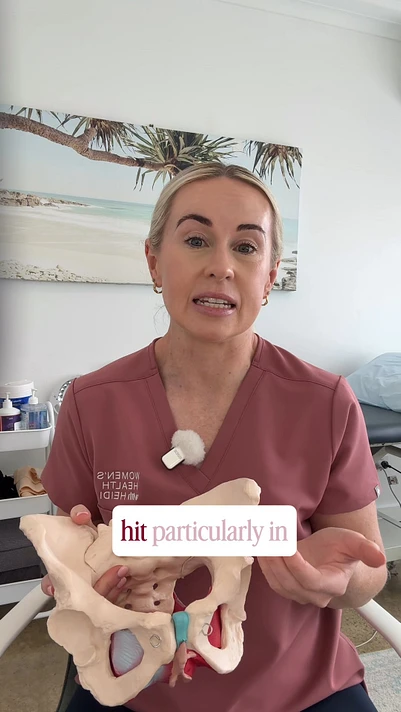
Deep pain is felt further inside the vagina. It may feel like a deep ache, a sharp or stabbing pain, cramping, pressure or a feeling that something is being “hit” during penetration.
It may only occur in certain sexual positions or with deeper penetration, and for some people the discomfort can continue after sex.
Some women experience both entrance and deep pain, and there can be more than one contributing factor at the same time.
Why does pain with sex happen?
There are many reasons why sex or penetration can become painful, and often there is more than one contributing factor.
Overactive or tight pelvic floor muscles: The pelvic floor needs to relax and lengthen to allow comfortable penetration. If these muscles are holding too much tension, penetration can feel tight, uncomfortable, burning or painful.
Scar tissue: Scarring following childbirth, perineal tearing, an episiotomy or pelvic surgery can sometimes become tight, sensitive or less flexible, making stretching and pressure during penetration uncomfortable.
Vaginal dryness: Reduced natural lubrication increases friction during penetration, which can cause irritation, burning or pain. Changes in oestrogen levels can affect the vaginal and vulval tissues, contributing to dryness, irritation and increased sensitivity. This is particularly common postpartum, while breastfeeding and around menopause due to hormonal changes.
Endometriosis or other pelvic pain conditions: Conditions such as endometriosis can contribute to deeper pelvic pain during or after sex, particularly with deeper penetration.
Vulval or vaginal conditions: Skin conditions, infections or conditions such as vulvodynia or lichen sclerosis can make the tissues around the vaginal opening more sensitive and contribute to burning, stinging or pain with touch and penetration.
Previous painful experiences: Our brain remembers every experience we have. So if penetration has hurt before, your body may start to anticipate pain. This can cause involuntary pelvic floor tightening or guarding, which can make penetration more painful and contribute to an ongoing pain cycle.
Often, these factors overlap. For example, pain may initially begin because of vaginal dryness or sensitive scar tissue, but repeated painful experiences can lead to pelvic floor guarding and increased nervous system sensitivity, which is why addressing the different contributors to pain is so important.
How is the pelvic floor involved in painful sex?
Your pelvic floor muscles surround the openings of the urethra, vagina and anus and need to be able to relax and lengthen for comfortable penetration.
Sometimes the pelvic floor muscles become too tight or overactive. When this happens, penetration can become painful as the muscles struggle to tolerate being stretched.
If a muscle spends too much time switched on, it may have difficulty relaxing, coordinating and generating effective strength when it is actually needed.
So tight doesn’t mean strong. Muscles can be tight AND weak.
But simply doing more Kegel exercises isn't usually the answer - and for most people experiencing pain with sex, repeatedly contracting the pelvic floor without addressing relaxation may aggravate their symptoms.
Understanding the pain cycle
One of the most important things to understand about persistent pain is that pain isn't only about what is happening in the tissues at that exact moment.
Your nervous system learns from previous experiences. When penetration has been painful several times, your brain starts to associate penetration with a potential threat.
In an attempt to protect you from harm, the next time penetration is about to happen, your body may automatically react by clenching your pelvic floor muscles.
You expect pain → your muscles tighten → penetration becomes more painful → pain pattern is reinforced → the cycle continues.
Over time, the nervous system can become even more protective and sensitive. This doesn't mean that the pain is “in your head”. Your pain is very real. It just means that the brain, nervous system and pelvic floor muscles are all linked and can all become part of the pain experience.
The good news is that this cycle can be changed.
Gradually creating safe, non-threatening, comfortable experiences can help the pelvic floor learn to relax and help calm the nervous system.
What can you do about pain with sex?
Treatment is complex and isn’t a one size fits all. It depends on where your pain is and why you are experiencing pain.
For many people, treatment involves a combination of approaches.
Pelvic floor physiotherapy
A women's health physiotherapist can assess whether your pelvic floor muscles may be contributing to your pain.
Depending on your symptoms and what you are comfortable with, an assessment may look at pelvic floor muscle tension, strength, coordination, relaxation, breathing, surrounding muscles and other factors that may be contributing to your symptoms.
Treatment might include education, pelvic floor relaxation exercises, breathing techniques, manual therapy, graded exposure, dilator therapy, pelvic wand releases and advice around returning to comfortable sexual activity.
An internal examination is not always required at your first appointment and should only ever be performed with your informed consent.
Pelvic floor downtraining
When the pelvic floor is overactive, treatment may focus less on “squeezing” and more on learning how to let go.
Pelvic floor downtraining can include:
-
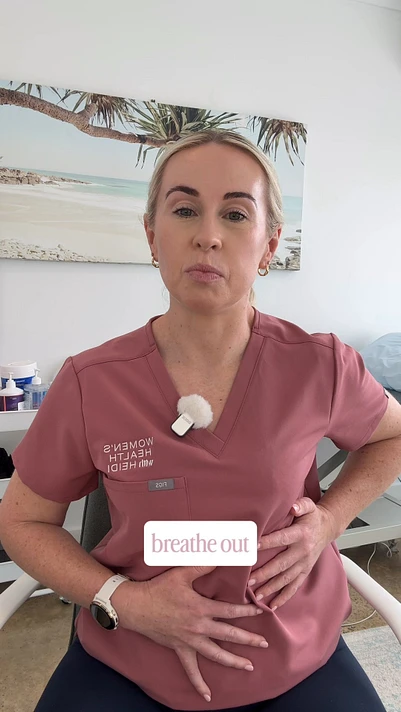
Diaphragmatic breathing
-
Pelvic floor relaxation and awareness
-
Relaxing the abdominal muscles, glutes and inner thighs
-
Mobility exercises
-
Learning to recognise unconscious pelvic floor clenching
-
Practising the difference between contracting and completely releasing the pelvic floor
With sexual pain, learning how to relax your pelvic floor is just as important as learning how to strengthen it.
Vaginal dilator therapy
Vaginal dilators are graduated tools that can be used as part of treatment for painful penetration. They come in a set of different sizes that aim to gradually get the pelvic floor muscles at the entrance to the vagina used to stretch.
Dilator therapy can help create safe, controlled and gradually progressive experiences of penetration. This can allow you to practise pelvic floor relaxation while also helping the nervous system learn that penetration doesn't always have to be painful.
The process should be gradual and shouldn't involve repeatedly pushing through pain.
A pelvic floor physiotherapist can help determine whether dilators are appropriate for you and teach you how to use them effectively.
Pelvic wand therapy
A pelvic wand is another tool that can be used to gently massage out the deep muscles in the pelvic floor and help with the treatment of deep pain with sex.
With guidance from a pelvic floor physiotherapist, it may be used to practise gentle self-release techniques and improve awareness of pelvic floor tension. This is usually used in conjunction with specific exercises to improve pelvic floor muscle relaxation.
Use a good lubricant
Lubricant can make a BIG difference. Reducing friction can make penetration more comfortable, particularly if vaginal dryness is contributing to your symptoms.
Dryness can occur for many reasons and may be particularly noticeable during breastfeeding, perimenopause and menopause due to a drop in oestrogen levels.
If you are experiencing persistent vaginal dryness, irritation or other symptoms associated with hormonal changes, speak with your GP or appropriate healthcare professional, as additional hormone replacement treatment may be helpful.
Treatment isn't always just about the pelvic floor
Pain with sex can be complex, and sometimes the best approach involves more than one healthcare professional.
Depending on the factors contributing to your symptoms, your treatment team may include a:
-
Pelvic floor physiotherapist to address pelvic floor muscle function, relaxation, sensitivity and guidance with using tools like dilators or a pelvic wand.
-
GP or gynaecologist to investigate medical, hormonal, dermatological or gynaecological causes of pain.
-
Sex therapist or sexologist to help with the impact pain may have had on intimacy, desire and relationships.
-
Psychologist or pain psychologist to help address persistent pain, fear, anxiety, trauma or nervous-system sensitisation.
This doesn't mean your pain is purely psychological. Persistent pain is influenced by many interacting factors, and treating those different components can help achieve better outcomes.
When should you seek help for painful sex?
If you regularly experience pain with penetration or intercourse or you have been avoiding sex because of pain, treatment might really help you.
Consider seeking assessment if you experience pain when inserting tampons, pain during pelvic examinations or any burning or stinging around the vaginal opening.
You should also speak with your GP if you have symptoms such as unexplained bleeding, unusual discharge, new or worsening pelvic pain, skin changes, or other symptoms that require medical investigation.
Pain with sex is common, but you don't have to accept it as normal.
Whether your pain has recently started or you've experienced painful sex for years, understanding why it hurts is an important first step.
For many women, a combination of pelvic floor physiotherapy, pelvic floor relaxation exercises, dilator therapy, pelvic wand techniques, appropriate lubricant and other multidisciplinary treatment can help reduce pain and make intimacy feel comfortable again.
You don't have to keep putting up with pain, and you don't have to figure it out on your own.
We are here to help.