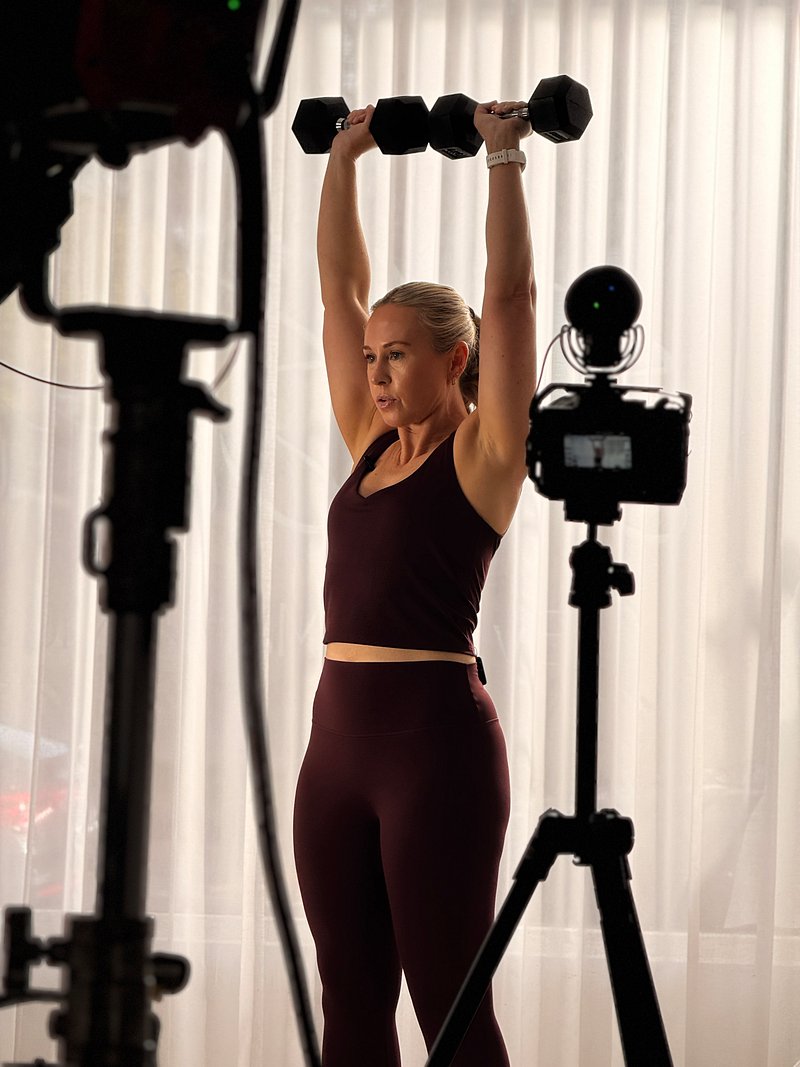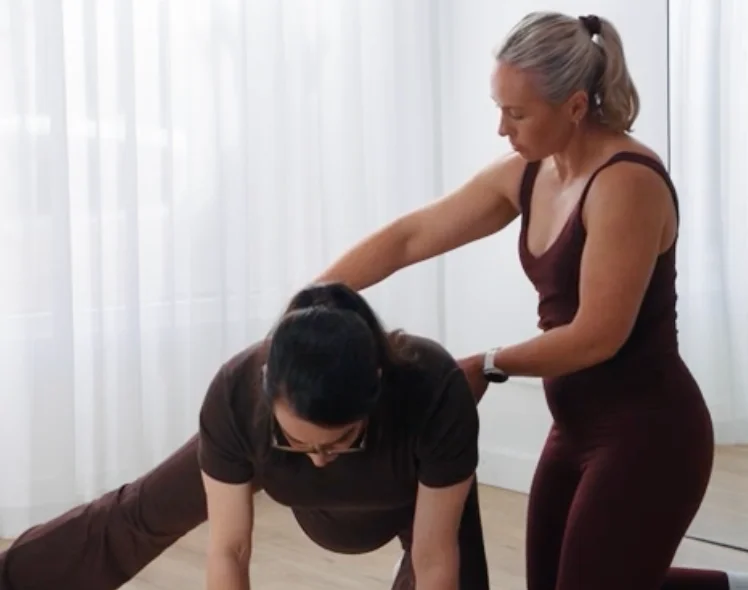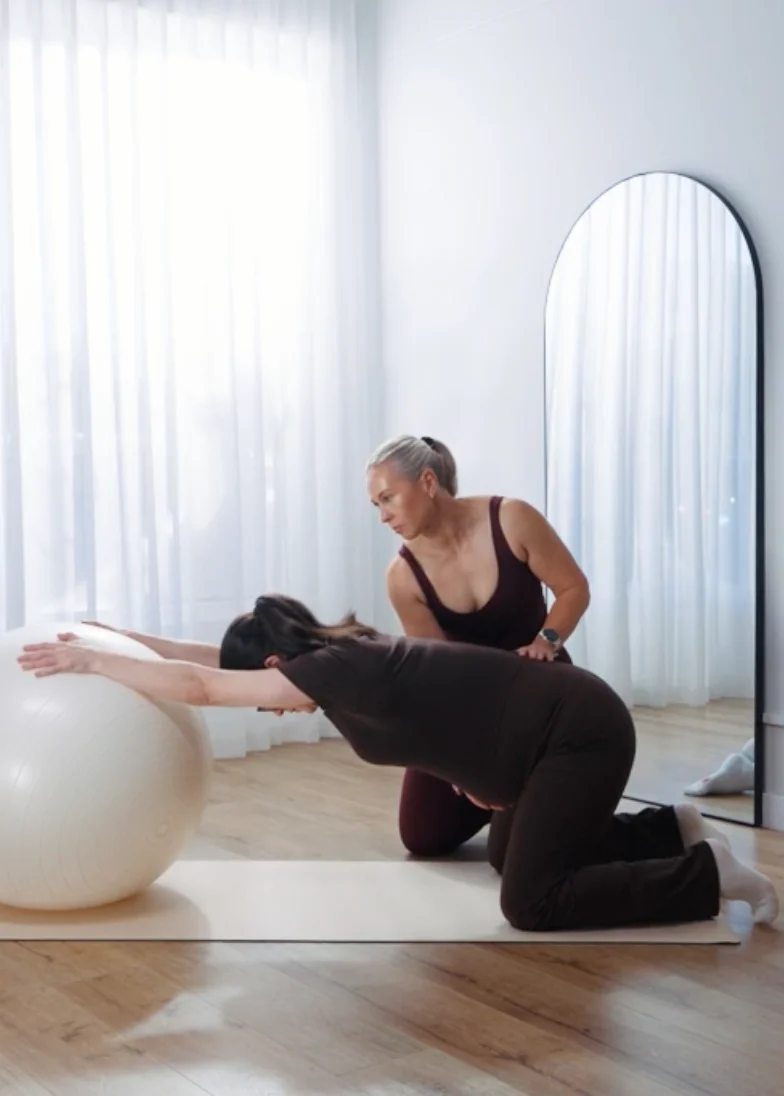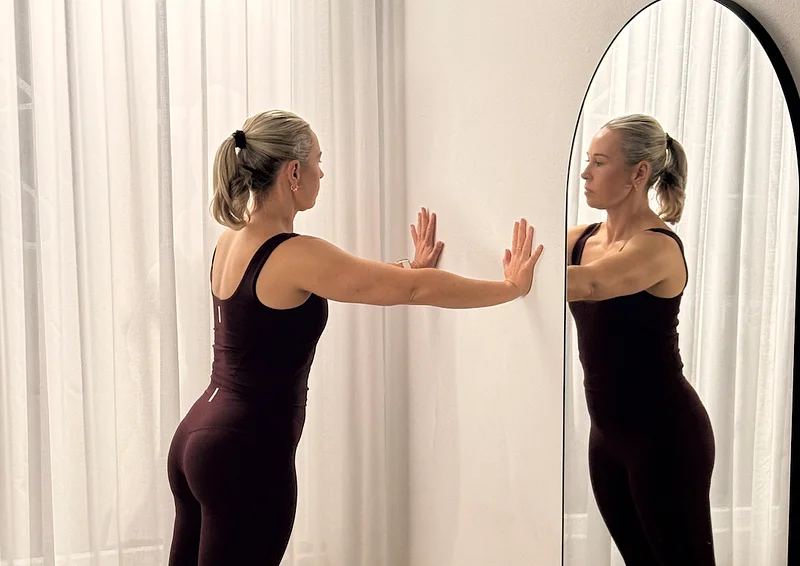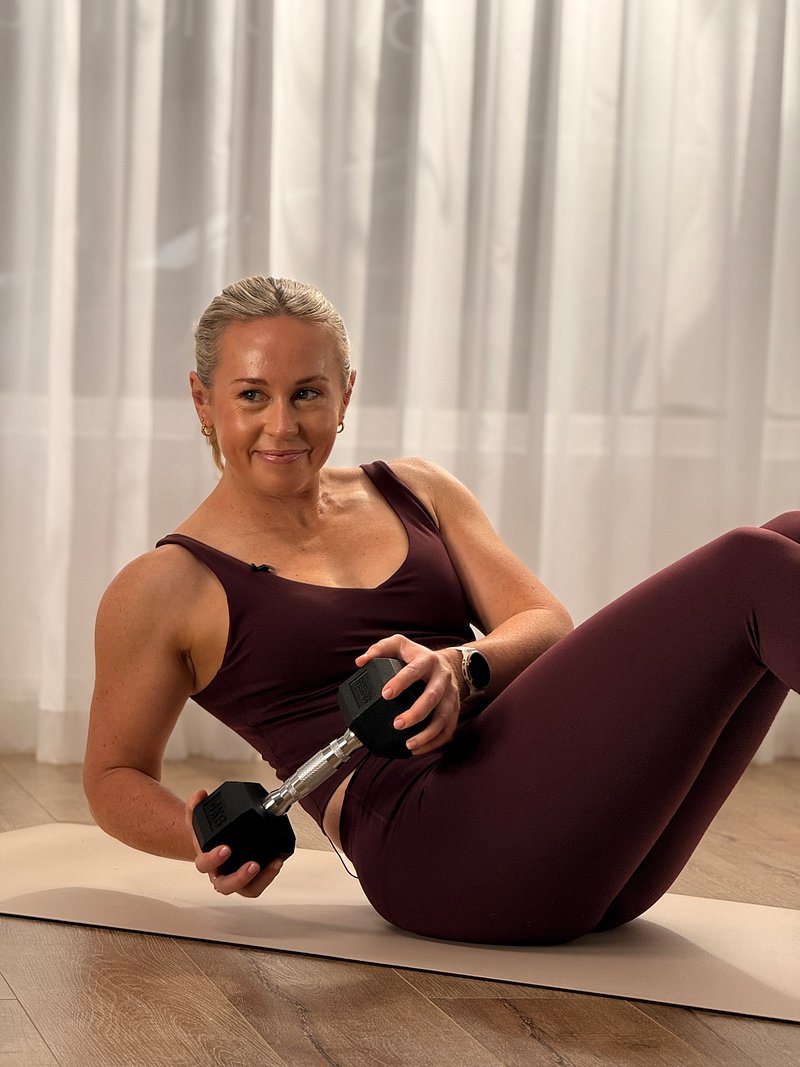
Feel stronger, more prepared and more confident for birth and recovery
This online program from Pelvic Health Physiotherapist, Heidi, is designed to help you build strength in your pelvic floor and understand it's role during pregnancy and birth.
No matter how far along you are in your pregnancy, this program will prepare your pelvis and pelvic floor for birth, leaving you feeling confident heading into labour and in the best possible position to recovery quickly, postpartum.
What's included:
- Follow-along guided pelvic floor workouts specific to each trimester of pregnancy
- Birth preparation including instructions for how to perform perineal massage
- Advice about optimal positions for birth and pushing techniques
- Strength and mobility exercises for lower back pain, hip pain and pelvic girdle pain
- Core exercise modifications for pregnancy
- Early postpartum recovery advice
Trimester 1
Getting to know your pelvic floor
8 videos where you'll learn how to correctly and safely activate and train your pelvic floor, manage bladder and bowel changes, navigate pressure management (including support for common issues such as stress urinary incontinence and hyperemesis gravidarum), and explore simple breathing and relaxation techniques.
Trimester 2
Building up your pelvic floor
9 videos covering functional pelvic floor strength for everyday activities such as lifting, carrying and caring for older children, as well as guidance on diastasis recti and safe core modifications.
You'll also learn how to manage common pregnancy concerns including heaviness or prolapse symptoms, pelvic girdle pain, hip pain and lower back pain.
Trimester 3
Preparing your pelvic floor
These 8 videos are the reason you're really here. You'll learn pelvic floor relaxation and downtraining techniques, back and hip mobility exercises, and how to safely perform perineal massage. The course also covers birthing positions that may support better pelvic floor outcomes, pushing techniques and guided practice, as well as a dedicated pelvic floor downtraining routine.